TOP 10: Gays began serving openly in U.S. military

DADT

KISSING DADT GOODBYE | Petty Officer 2nd Class Marissa Gaeta, left, kisses her girlfriend, Citlalic Snell, at a Navy base in Virginia Beach, Va., on Dec. 22. According to Navy tradition, one lucky sailor is chosen to be first off the ship for the long-awaited kiss with a loved one. This time, for the first time, the happily reunited couple was gay. (Associated Press)

No 1:

Legislation to repeal “don’t ask, don’t tell” passed Congress last year and was signed by President Barack Obama on Dec. 22, 2010.

But 2011 was the year of implementation.

While other countries that changed policies about gays and lesbians serving in the armed forces recommended a quick implementation, the U.S. chose a slow, methodical approach.

Before repeal went into effect, the defense secretary, chairman of the joint chiefs and president had to certify that the military was ready for implementation.

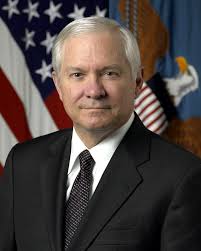
Among the delays in implementing the repeal was to give the Pentagon time to change regulations and benefits, according to Defense Secretary Robert Gates.

Next, training materials had to be prepared and, finally, 2.2 million troops had to be trained. In February, the military announced some of its plans.

The idea of building separate bathroom facilities was rejected and personnel wouldn’t be given the option of refusing to serve with gays and lesbians.

The Navy announced its training schedule to be complete by June 30.

Support for the repeal grew and came from some surprising sources.

Former Defense Secretary Donald Rumsfeld even announced: “We know that gays and lesbians have been serving in the military for decades with honorable service. We know that [repeal] is an idea whose time has
come.”

As implementation progressed, conservative members of Congress continued to try to derail it. Rep. Duncan Hunter, R-Calif., introduced an amendment to the National Defense Authorization Act that would have required all four service chiefs to certify that DADT repeal wouldn’t hurt the military’s readiness.

Another amendment by Rep. Steven Palazzo, R-Miss, would require the military to “accommodate” servicemembers who believe that “homosexual or bisexual conduct is immoral and/or an inappropriate expression of human sexuality.”

The Navy previously announced that it would allow same-sex weddings on bases in states where it’s legal.

In May, it reversed course saying that the Defense of Marriage Act precluded it from allowing chaplains to perform marriages for gay and lesbian servicemembers on base.

As certification approached, the Pentagon made it clear that same-sex spouses of military personnel would not be recognized and would receive none of the benefits opposite-sex spouses receive.

On July 22, Obama, Defense Secretary Leon Panetta and Chairman of the Joint Chiefs of Staff Adm. Mike Mullen certified that the U.S. military was ready for DADT repeal.

Repeal would be final 60 days from certification.

On Sept. 20 gays and lesbians could serve openly, if not equally, in the military. Members of the military began coming out without fear of expulsion, but those who had same-sex spouses were still not given 40 benefits that opposite-sex couples enjoy.

Those benefits include healthcare for the spouse and housing allowances that can be substantial.

Even if the couple has children, the spouse cannot be issued an identification card to get on base with the military member’s child for healthcare and cannot access the base attorney to write wills and other papers normally drawn up before an overseas deployment.

Servicemembers dismissed under DADT began to consider re-enlisting.

Cully Johnson, an owner of Dallas Eagle, said at a Sept. 20 DADT repeal celebration that he would like to return to complete his military career.

Although gays and lesbians can now serve without fear of dismissal or rebuke, the ban on transgenders serving remains in effect.

More than 14,000 men and women were discharged under DADT during its 18-year existence with some estimates of the cost to taxpayers running as high as $700 million.

— David Taffet

This article appeared in the Dallas Voice print edition December 30, 2011.

—  Kevin Thomas

What’s Brewing: Gates may certify DADT repeal this month; GOP debate touches on LGBT issues

Defense Secretary Robert Gates

Your weekday morning blend from Instant Tea:

1. Defense Secretary Robert Gates told the Associated Press he may certify the repeal of “don’t ask, don’t tell” before stepping down at the end of this month, which could allow the ban on open service to end sometime in September. Gates said he will certify DADT repeal this month only if all of the service chiefs recommend it. If not, it will be left to his successor, Leon Panetta.

2. Republican presidential candidates responded to questions about both same-sex marriage and DADT repeal during their debate Monday night in New Hampshire. Watch their responses below, but here’s our takeaway: If Texas Gov. Rick Perry decides to seek the GOP nomination, he’ll have a hard time setting himself apart from other major candidates based on his anti-gay views.

3. What’s with the straight men posing as lesbians in the blogosphere?

—  John Wright

What’s Brewing: Chick-fil-A downplays anti-gay sponsorship; Gates on DADT repeal; Lady Gaga

1. Chick-fil-A is attempting to downplay its sponsorship of two upcoming events hosted by the anti-gay Pennsylvania Family Institute, releasing a statement Thursday on Facebook saying a “local operator” had simply agreed to provide greasy-ass food. In the meantime, however, LGBT blogs have uncovered several additional connections between the company and anti-gay groups. Fool me once …

2. Defense Secretary Robert Gates says the Pentagon is moving fast to end “don’t ask don’t tell,” with military leaders expected to begin training troops on the change “in a very few weeks.” The troop training is part of a three-step process outlined by Gates on Wednesday in his first public comments about DADT since President Barack Obama signed the bill repealing the policy.

3. Lady Gaga unveils Polaroid sunglasses that take photos, video (video above).

—  John Wright

Obama to sign bill that DOES NOT immediately repeal ‘don’t ask, don’t tell’ on Wednesday

SLDN provided this image from Saturday’s ‘NBC Nightly News’ to illustrate how media outlets are incorrectly reporting that DADT has been repealed.

President Barack Obama will sign the bill that outlines a path for repealing “don’t ask, don’t tell” in a ceremony at the Department of the Interior, at 9:15 a.m. Eastern (8:15 Central) on Wednesday. However, the Servicemembers Legal Defense Network is reminding folks — and especially the media — that even after Obama signs the bill, the law will remain in effect for an unknown period of time.

“We need the media’s help to let troops know they remain at risk under the law even after the President signs the bill,” SLDN Executive Director Aubrey Sarvis said in an e-mail statement this morning under the subject line “URGENT: Media warning ….”

“The Pentagon just released new guidance that made clear ‘Don’t Ask’ may still be the law for some time to come,” Sarvis said. “We respectfully renew our call for Defense Secretary Robert Gates to use his authority to suspend all ‘Don’t Ask, Don’t Tell’ investigations during this limbo period. Until the President signs the bill, until there is certification, and until the 60-day implementation period is over, no one should be investigated or discharged under this discriminatory law. Certification and the implementation period must be wrapped up no later than the first quarter of 2011. The bottom line: for now, gay, lesbian, and bisexual service members must remain cautiously closeted.”

SLDN says LGBT servicemembers with questions should call 202-328-3244 ext. 100 to speak with a staff attorney.

For more on the process for repealing DADT, see this story from the Washington Post.

—  John Wright

UPDATE: Hutchison to vote against DADT repeal because ‘FORMER leaders’ of military oppose it

Sen. Kay Bailey Hutchison.

Texas Republican Sen. Kay Bailey Hutchison’s office sent over the following statement this afternoon in response to our inquiry about her position on a standalone measure to repeal “don’t ask don’t tell.”

“I will not support a repeal of the ‘Don’t Ask, Don’t Tell’ policy,” Hutchison said. “After speaking with military personnel and former leaders of our armed services, I remain very concerned about how repealing this policy could negatively impact unit cohesion and overall troop readiness — especially during a time of war.”

It’s interesting that Hutchison doesn’t identify the “military personnel” or “former leaders” with whom she claims to have spoken. We know, for example, that she’s repeatedly refused to meet with Dave Guy-Gainer, a retired Air Force chief master sergeant who lives in Tarrant County. According to a recently released Pentagon study, the “military personnel” who spoke to Hutchison are in the minority. Furthermore, why would she speak with “former leaders of our armed services” instead of current ones? The top two current military leaders, Defense Secretary Robert Gates and Joint Chiefs Chairman Mike Mullen, both support DADT repeal. And all of the current service chiefs say repeal would be no problem.

So can someone please explain WTF she’s talking about?

UPDATE: Maybe she’s been spending too much time with homophobic Marine Commandant Gen. James Amos.

—  John Wright

‘Mission Incomplete’ rally will call on Senate to remain in session until DADT is repealed

A bevvy of pro-repeal groups are teaming up for “Mission Incomplete,” a rally on Capitol Hill on Friday to call on the Senate to remain in session until it can consider the Defense Authorization bill, which includes an amendment that would end “don’t ask don’t tell.” According to the Servicemembers Legal Defense Network, which is putting together the rally, other organizations who’ve signed on thus far are American Veterans for Equal Rights, the Equality Federation, Get Equal, the Human Rights Campaign, the Kentucky Fairness Alliance, Knights Out, MoveOn PAC, the National Gay and Lesbian Task Force, the National Center for Lesbian Rights, OutServe, PFLAG National, People For The America Way, PROMO Missouri, National Stonewall Democrats, Swish, VoteVets and Young Democrats of America.

Here’s a statement from SLDN Executive Director Aubrey Sarvis:

“We call upon the Senate and the President to remain in session and in Washington until the National Defense Authorization Act is passed — which includes the repeal of ‘Don’t Ask.’ The Senate is scheduled to break for holiday vacation; we can’t let them leave. We must show our rage for repeal and insist the Senate stay in Washington until they have finished the job. We implore all who support repeal to join us outside the Senate this Friday. As Secretary of Defense Robert Gates said, ‘If not now, when?’

“The lame-duck vote on repeal was set up and dictated by some of the same Senators — like John McCain and Mitch McConnell — who are now delaying to kill the bill. They wanted the Pentagon report — now they have it. They wanted hearings — now they’re done. Senate Majority Leader Harry Reid has said he is determined to pass the defense bill with repeal. Senators must not be allowed to hide any longer behind process, procedure, and tax cuts for the wealthy, while the discrimination continues. We’ve lost 14,000 troops to this antiquated law, and by God, we must not lose another on our watch.

“More Americans than ever are with us in this moment. We have the Commander in Chief, the Secretary of Defense, the Chairman of the Joint Chiefs of Staff and a majority of the service chiefs who support repeal. We know that 92 percent of service members are just fine working with their gay, lesbian and bisexual colleagues, according to the Pentagon report. Their attitudes mirror those of nearly 80 percent of Americans.

“With increased pressure — a raised voice — and help from our allies at this key moment, I believe the Senate will stay in session. We will hit 60 votes. We will fight back on attempts to kill repeal. We will send the bill to the President’s desk. The discharges will end. And gays and lesbians will keep serving this nation — but this time with the integrity they so deserve.”

For more info on the rally, go here. If you can’t make the rally but want to take action, go here. And to add your organization to the list of those supporting the rally, e-mail eas@sldn.org.

—  John Wright

After Senate hearing, DADT repeal still up in air

Service chiefs all say they can implement end to ban on gays

Lisa Keen  |  Keen News Service

The second and final day of the Senate hearing on repealing “don’t ask don’t tell” has adjourned, and the battle lines are still very much where they were at the beginning, with one exception.

Massachusetts Republican Sen. Scott Brown said he’ll vote for repeal, once it reaches the floor. But Brown didn’t say whether he’d be willing to rebuff Republican Party leaders to help bring the measure to the floor.

And there’s the rub. Unless 60 votes can be mustered to call the Defense Authorization bill to the Senate floor, Brown’s statement of support for repeal is of minimal consequence.

Thursday and Friday’s hearing made clear that the military leadership concedes — if not agrees — that the current ban on gays in the military should be repealed. The service chiefs of all four branches of the armed forces, plus the Coast Guard, believe repeal can be implemented without sacrificing readiness and unit cohesion. They believe the Pentagon report released Nov. 30 provides a solid plan for implementation.

But not everyone agrees on timing, and discussion during the hearings went a long way to muddle exactly which timing everyone doesn’t agree on: Timing for implementation, timing for full implementation, and timing for a Congressional vote on repeal.

This much is clear concerning implementation: Army General George Casey said “not now,” Air Force General Norton Schwartz said “not until 2012,” and Marine General James Amos said it should begin “when our singular focus is no longer on combat operations or preparing units for combat.”

“At that point,” said Amos, “then I’d be comfortable with implementing repeal.”

Other military leaders are comfortable beginning the process now. That includes Defense Secretary Robert Gates, Joint Chiefs of Staff Chairman Admiral Mike Mullen, Joint Chief Vice Chairman General James Cartwright, Navy Admiral Gary Roughead, and Coast Guard Admiral Robert Papp. It includes at least 56 senators, 234 members of the House, and 50 to 70 percent of Americans (depending on which recent poll you look at). And, according to the Pentagon study, at least 70 percent of servicemembers say repeal would have a “positive, mixed, or no effect” on task cohesion.

The sticking point for senators is the timing of the Senate’s vote on whether to repeal. Republicans, led by Arizona Sen. John McCain, are steadfastly against allowing a vote and have vowed to prevent the underlying Defense Authorization bill to the floor. They say it’s because the nation has more urgent matters — taxes, job creation — with which the Senae should concern itself with in the waning days of the 111th Congress. Others say it’s because they want to stall issues they oppose – such as DADT repeal — from reaching the floor until next year, when they take control of the House and have a stronger posture in the Senate.

Most military leaders expressed concern during the hearings that Congress should take a vote now and they expressed enormous and unanimous confidence that Secretary Gates and Chairman Mullen would not sign the necessary papers for repeal implementation to begin until they were certain the service chiefs agreed the military’s readiness would not suffer. Their urgency was driven by concern that lawsuits are making their way through the federal court system now that have the potential to force the military to accept openly gay people immediately. Such a sudden demand, they said, would be seriously detrimental to military readiness.

The focus now shifts back to Senate Majority Leader Harry Reid and Minority Leader Mitch McConnell, and whether they will be able to come to an agreement that will allow the defense authorization bill to the floor. Prior to Dec. 1, such an agreement seemed to pivot on whether Reid would allow Republicans to proffer numerous amendments to the bill, including one to strip DADT repeal from the measure. But on Dec.. 1, McConnell and all 41 other Republicans in the Senate signed onto a letter to Reid, saying they would not vote to proceed on consideration of “any legislative item until the Senate has acted to fund the government and we have prevented the tax increase. …”

Rep. Barney Frank says the annual defense authorization bill is not one of those bills that fund the government and that the letter is aimed at killing DADT repeal.

Other Democrats and the White House have tried to downplay the significance of the letter, saying it was nothing new and they weren’t going to get hung up on it.

But supporters of repeal have taken the letter seriously.

“If the 42 GOP senators — including several who support repeal of ‘don’t ask’ — stand with their party on process and procedure, their vote will be an endorsement of the discrimination that has cost 14,000 men and women their jobs and put our country’s national security at risk,” said Aubrey Sarvis, head of the Servicemembers Legal Defense Network.

“A clear majority of the service chiefs support repeal this year,” said Sarvis. “Now, it’s up to the Senate. The National Defense Authorization Act, which includes the repeal provisions, must be called up in the Senate early next week under a reasonable approach that insures senators on both sides of the aisle a fair shot at amendments and debate. No debate on the merits of the bill will happen unless a handful of Republicans break off and support funding our troops.”

© 2010 Keen News Service

—  John Wright

Military leaders urge Senate committee to pass DADT repeal

Most Republicans on Armed Services Committee appear resistant to passing DOD authorization that includes repeal of anti-gay ban in place since 1993

Lisa Keen  |  lisakeen@mac.com

Sen. John McClain and Sen. Susan Collins

The Pentagon’s top four leaders stood their ground Thursday, Dec. 2, during the Senate Armed Services Committee hearing on the Defense Department’s report concerning repeal of “don’t ask, don’t tell,” the 1993 law that keeps lesbians and gays from serving openly in the U.S. military.

But there was considerable pushback from Republicans on the committee — and not just John McCain.

A lot of important ground was covered, both technically, concerning certification and benefits, and personally, with top military officials making clear that they believe repeal is the right thing to do and that now is the right time to do it.

Important, too, were questions by Sens. Susan Collins of Maine and Lindsey Graham of South Carolina, Republicans who, until recently, were considered potential votes to at least allow the Senate to debate the repeal measure.

Collins spent her time for questions laying out arguments to rebut criticisms made of the Pentagon’s report by McCain and others; and Graham seemed to have backed off his complaint last week that the study failed to investigate “whether” DADT should be repealed.

One of the chief criticisms hurled at the report by McCain and several other Republicans was that the Pentagon did not ask a direct question of the 400,000 troops surveyed to determine whether they would like Congress to repeal DADT.

Collins noted that the Pentagon does not ask troops whether they want to go to Iraq either and that, while troops were not asked about DADT repeal directly, their thinking was certainly conveyed by their responses to less direct questions.

The insistence, by McCain and others, that troops should have been polled on whether to keep DADT elicited the strongest rebuke from the military leaders themselves. Both Secretary of Defense Robert Gates and Joint Chiefs of Staff Chairman Adm. Mike Mullen repeatedly rejected the idea as “dangerous.”

Gates said that conducting a “referendum” on a matter of military policy “is a very dangerous path.” Mullen agreed, saying it would be an “incredibly bad precedent to essentially vote on a policy.”

McCain persisted, saying it was “not voting” on a policy, it was “asking their views.”

He was not alone. Sen. Scott Brown, R-Mass., said he, too, felt the Pentagon should have asked a direct question.

Both McCain and Sen. Saxby Chambliss, R-Ga., seemed to flirt with the use of some inflammatory tactics during the hearing.

McCain twice raised the issue of who was responsible for the current public release of classified documents by a website called Wikileaks — an act that is considered to be one of the most damaging breaches in intelligence confidentiality in American history. It has been widely reported that the 22-year-old Army private first-class who has been arrested for enabling the leaks, Bradley Manning, has identified himself as gay.

Chambliss noted that Mullen, in his opening statement both Thursday and at a previous hearing in February, indicated he had served alongside gay people and had gay people under his command. Chambliss asked questions to suggest that Mullen had failed to seek the discharge of these gay servicemembers as required by existing military policy at the time.

(Mullen, however, noted that military law and policy has changed during the course of his career in the service and that, in fact, “every single one” of the gays he knew of were discharged. “I did this, and I saw this,” said Mullen.)

What is the difference?

There was considerable discussion of how the repeal of DADT might mirror the changes that took place in the late 1940s and 1950s after then-President Harry Truman signed an executive order requiring integration, and again in the 1960s when Congress repealed a 2 percent cap on the number of women who could serve.

“Social changes in the military have not been particularly easy,” said Gates.

He said that “serious racial problems” plagued the military “at least through” the Vietnam War years, and that women in the military still face the very real problem of sexual assaults.

McCain pointed out that, in 1993, Gen. Colin Powell had opposed gays in the military and rebuffed attempts to compare discrimination based on race and that based on sexual orientation.

Jeh Johnson, the co-chair of the Pentagon study group, said he would agree that “issues of race and sexual orientation are fundamentally different.” But he said that, in his study of integration issues for the DADT report, he found that some of the nation’s greatest heroes in World War II “predicted negative consequences for unit cohesion if there was racial integration” of the troops.

Johnson, who is African-American, also noted that surveys of 3,000 to 4,000 troops in the 1940s found that opposition to racial integration ran as high as 80 percent — and that was at a time when there were only about 700,000 black soldiers in a force of 8 million troops.

It was also a time, said Johnson, when integration was not accepted by society at large.

“But we did it. It took some time. It was not without incident,” said Johnson. “But we did it and, I think the chairman said, the military was stronger as a result.”

In fact, Johnson said the opposition to racial integration then was “much more intense than the opposition to gays serving openly today in the military.”

What are the bottom lines?

Thursday’s hearing came across as a vigorous debate between Republicans on the committee, most of whom seem to oppose repeal, and Democrats and the Defense Department’s top brass, who appear to support it.

But it took place against the backdrop of a political gaming of the Senate’s parliamentary procedures.

All 42 Republicans in the Senate signed onto a letter to Senate Majority Leader Harry Reid on Tuesday, Nov. 30, saying they would not agree to vote on “any legislative item until the Senate has acted to fund the government and we have prevented the tax increase … .”

Although the language of “fund the government” might provide some wiggle room for the defense authorization bill (because it authorizes the expenditure of funds for the government), the letter is being widely characterized as an obstacle to consideration of DADT repeal, which is contained inside the defense authorization bill.

Maine Republican Collins’ questions Thursday suggested she is still for repealing DADT — a position she took in the committee’s original vote on the defense authorization bill in September.

Unless she and a few other Republicans agree to provide the Democrats with the votes they need to reach 60 — to allow the defense authorization bill to the floor — Thursday’s debate and debate that will take place during Day Two of the hearing, Friday, Dec. 3, are moot.

The hope of convincing some Republicans to wiggle themselves around the Republican drop dead letter could well have been behind Secretary Gates’ repeated assurances Thursday that he would not sign the necessary document to “certify” the troops are ready to implement repeal until “everything has been done” to ensure the troops are ready and that the chiefs of each of the service branches “are comfortable” that any risks to combat readiness had been “mitigated if not eliminated.”

Neither Gates nor Mullen suggested how long it might take to certify such readiness after Congress votes to repeal the law. But both also sought to impress upon the committee another issue with regard to timing: The courts.

“Whatever risk there may be to repeal of this law, it is greatly mitigated by the thorough implementation plan included in this study, the time to carry out that plan and effective, inspirational leadership,” said Mullen in his opening statement.

“Now, let me tell you what I believe,” continued Mullen. “I believe our troops and their families are ready for this. Most of them believe they serve, or have served, alongside gays and lesbians, and knowing matters a lot … . “I believe now is the time to act. I worry that unpredictable actions in the court could strike down the law at any time, precluding the orderly implementation plan we believe is necessary to mitigate risk,” Mullen said. “I also have no expectation that challenges to our national security are going to diminish in the near future, such that a more convenient time will appear.” 

© 2010 Keen News Service

This article appeared in the Dallas Voice print edition December 03, 2010.

—  Kevin Thomas

Military leaders stand firm during 1st day of Senate hearings on ‘don’t ask don’t tell’

LISA KEEN  |  Keen News Service

The Pentagon’s top four leaders stood their ground Thursday, Dec. 2 during the Senate Armed Services Committee hearing on the Defense Department’s report concerning “don’t ask don’t tell.” But there was considerable pushback from Republicans on the committee — and not just John McCain.

A lot of important ground was covered — both technically, concerning certification and benefits, and personally, with top military officials making clear that they believe repeal is the right thing to do and that now is the right time to do it.

Important, too, were questions by Sens. Susan Collins of Maine and Lindsey Graham of South Carolina — Republicans who, until recently, were considered potential votes to at least allow the Senate to debate the repeal measure.

Collins spent her time for questions laying out arguments to rebut criticisms made of the Pentagon’s report by McCain and others; and Graham seemed to have backed off his complaint last week that the study failed to investigate “whether” DADT should be repealed.

What is the question?

One of the chief criticisms hurled at the report by McCain and several other Republicans was that the Pentagon did not ask a direct question of the 400,000 troops surveyed to determine whether they would like Congress to repeal DADT. Collins noted that the Pentagon does not ask troops whether they want to go to Iraq either and that, while troops were not asked about DADT repeal directly, their thinking was certainly conveyed by their responses to less direct questions.

The insistence, by McCain and others, that troops should have been polled on whether to keep DADT elicited the strongest rebuke from the military leaders themselves. Both Secretary of Defense Robert Gates and Joint Chiefs of Staff Chairman Admiral Mike Mullen repeatedly rejected the idea as “dangerous.”

Gates said that conducting a “referendum” on a matter of military policy “is a very dangerous path.” Mullen agreed, saying it would be an “incredibly bad precedent to essentially vote on a policy.”

McCain persisted, saying it was “not voting” on a policy, it was “asking their views.” He was not alone. Sen. Scott Brown, R-Mass., said he, too, felt the Pentagon should have asked a direct question.

Both McCain and Sen. Saxby Chambliss, R-Ga., seemed to flirt with the use of some inflammatory tactics during the hearing. McCain twice raised the issue of who was responsible for the current public release of classified documents by a website called Wikileaks — an act that is considered to be one of the most damaging breaches in intelligence confidentiality in American history. It has been widely reported that the 22-year-old Army private first-class who has been arrested for enabling the leaks, Bradley Manning, has identified himself as gay.

Chambliss noted that Admiral Mullen, in his opening statement both Thursday and at a previous hearing in February, indicated he had served alongside gay people and had gay people under his command. Chambliss asked questions to suggest that Mullen had failed to seek the discharge of these gay servicemembers as required by existing military policy at the time. (Mullen, however, noted that military law and policy has changed during the course of his career in the service and that, in fact, “every single one” of the gays he knew of were discharged. “I did this, and I saw this,” said Mullen.)

What is the difference?

There was considerable discussion of how the repeal of DADT might mirror the changes that took place in the late 1940s and 1950s after then President Harry S. Truman signed an executive order requiring integration and again in the 1960s when Congress repealed a two-percent cap on the number of women who could serve.

“Social changes in the military have not been particularly easy,” said Gates. He said that “serious racial problems” plagued the military “at least through” the Vietnam War years and that women in the military still face the very real problem with sexual assaults.

McCain pointed out that, in 1993, General Colin Powell had opposed gays in the military and rebuffed attempts to compare discrimination based on race and that based on sexual orientation.

Jeh Johnson, the co-chair of the Pentagon study group, said he would agree that “issues of race and sexual orientation are fundamentally different.” But he said that, in his study of integration issues for the DADT report, he found that some of the nation’s greatest heroes in World War II “predicted negative consequences for unit cohesion if there was racial integration” of the troops.

Johnson, who is African-American, also noted that surveys of 3,000 to 4,000 troops in the 1940s found that opposition to racial integration ran as high as 80 percent — and that was at a time when there were only about 700,000 black soldiers in a force of 8 million troops. It was also a time, said Johnson, when integration was not accepted by society at large.

“But we did it. It took some time. It was not without incident,” said Johnson, “but we did it and, I think the chairman said, the military was stronger as a result.”

In fact, Johnson said the opposition to racial integration then was “much more intense than the opposition to gays serving openly today in the military.”

What are the bottom lines?

Thursday’s hearing came across as a vigorous debate between Republicans on the Committee, most of whom seem to oppose repeal, and Democrats and the Defense Department’s top brass, who appear to support it. But it took place against the backdrop of a political gaming of the Senate’s parliamentary procedures. All 42 Republicans in the Senate signed onto a letter to Senate Majority Leader Harry Reid on Tuesday saying they would not agree to vote on “any legislative item until the Senate has acted to fund the government and we have prevented the tax increase.” Although the language of “fund the government” might provide some wiggle room for the defense authorization bill (because it authorizes the expenditure of funds for the government), the letter is being widely characterized as an obstacle to consideration of DADT repeal, which is contained inside the defense authorization bill.

Maine Republican Collins’ questions Thursday suggest she is still for repealing DADT — a position she took in the Committee’s original vote on the defense authorization bill in September. Unless she and a few other Republicans provide Democrats with the votes they need to reach 60 — to allow the defense authorization bill to the floor— Thursday’s debate and debate that will take place during Day Two of the hearing, Friday, are moot.

Collins has been ridiculed by a number of pundits in recent days for saying she didn’t know how to vote on another contentious piece of legislation — the START treaty — and that she would appreciate getting some direction from two former Republican presidents — the two Bushes. Such negative publicity may have inspired Collins to ask the pro-repeal oriented questions she asked at Thursday’s hearings.

The hope of convincing some Republicans to wiggle themselves around the Republican drop dead letter could well have been behind Secretary Gates’ repeated assurances Thursday that he would not sign the necessary document to “certify” the troops are ready to implement repeal until “everything has been done” to ensure the troops are ready and that the chiefs of each of the service branches “are comfortable” that any risks to combat readiness had been “mitigated if not eliminated.”

Neither Gates nor Mullen suggested how long it might take to certify such readiness after Congress votes to repeal the law. But both also sought to impress upon the Committee another issue with regard to timing: The courts.

“Whatever risk there may be to repeal of this law, it is greatly mitigated by the thorough implementation plan included in this study, the time to carry out that plan, and effective, inspirational leadership,” said Mullen in his opening statement.

“Now, let me tell you what I believe,” continued Mullen. “I believe our troops and their families are ready for this. Most of them believe they serve, or have served, alongside gays and lesbians, and knowing matters a lot….

“I believe now is the time to act. I worry that unpredictable actions in the court could strike down the law at any time, precluding the orderly implementation plan we believe is necessary to mitigate risk,” said Mullen. “I also have no expectation that challenges to our national security are going to diminish in the near future, such that a more convenient time will appear.”

Copyright ©2010 Keen News Service. ALL RIGHTS RESERVED.

—  John Wright

Pentagon report sets up Senate showdown on ‘don’t ask don’t tell’

LISA KEEN  |  Keen News Service

Defense Secretary Robert Gates sent mixed signals Tuesday, Nov. 30 in releasing the Pentagon’s long-awaited study about how to implement repeal of “don’t ask don’t tell.”

Gates said repeal “can and should be done,” but he urged Congress to consider the views of all-male combat units who expressed concern about negative consequences. He said the concerns of those combat units were “not an insurmountable barrier” to repealing the ban on openly gay people in the military, but said the military should be given “sufficient time” to exercise “an abundance of care and preparation” in rolling out that repeal. And neither he nor any other top Pentagon official were willing to give even a vague estimate of how much time would be sufficient.

But in a statement released Tuesday evening, President Barack Obama urged the Senate to act “as soon as possible,” saying he is “absolutely confident” troops “will adapt to this change and remain the best led, best trained, best equipped fighting force the world has ever known.”

The president reportedly spoke to Republican and Democratic leaders about DADT during a meeting at the White House on Monday to discuss a number of issues. Details of those conversations were not available.

Gates’ remarks and the report released by the Pentagon on Tuesday on how best to implement repeal of DADT will provide both proponents and opponents of repeal plenty of political ammunition once the Senate takes up the issue sometime this month.

The 256-page study is called the Report of the Comprehensive Review of the Issues Associated with a Repeal of “Don’t Ask, Don’t Tell.” The report includes 20 pages of recommendations, presented in essay form, and 112 pages discussing and illustrating the results of surveys conducted of servicemembers and their families. Most media reports focused on the survey results, but the recommendations have, perhaps, the greatest importance for the LGBT community. The most significant of the recommendations include:

• Issuing “an extensive set of new or revised standards of conduct” for servicemembers while in uniform, including for such matters as “public displays of affection,” dress and appearance, and harassment, and that those standards “apply to all Service members, regardless of sexual orientation”;

• That military law not add sexual orientation “alongside race, color, religion, sex, and national origin as a class eligible for various diversity programs or complaint resolution processes.” Instead, the report recommends DOD “make clear that sexual orientation may not, in and of itself, be a factor in accession, promotion, or other personnel decision-making.” Complaints regarding discrimination based on sexual orientation would be addressed through “mechanisms” available for complaints other than those involving race, color, sex, religion, or national origin — “namely, the chain of command … and other means as may be determined by the Services.”

• Repeal Article 125 of the Uniform Code of Military Justice to the extent it prohibits consensual sodomy, regardless of whether same-sex or heterosexual;

• Amend the code to “ensure sexual orientation-neutral application” with regards to sexual offenses. For instance, Article 134 prohibiting adultery, would be rewritten to include a married female servicemember having sex with another woman who was not her spouse;

•  No separate housing or bathroom facilities for gay or lesbian servicemembers and no assignments of sleeping or housing facilities based on sexual orientation “except that commanders should retain the authority to alter … assignments on an individualized, case-by-case basis, in the interest of maintaining morale, good order, and discipline, and consistent with performance of mission”;

• No revision “at this time” of regulations to add same-sex committed relationships to the current definition of “family members” or “dependents” in regards to military benefits, such as housing, but to revisit the issue at a later date;

• Review benefits “that may, where justified from a policy, fiscal, and feasibility standpoint,” be revised to enable a servicemember to designate “whomever he or she wants as a beneficiary”;

• Evaluate requests for re-entry into the military from those servicemembers discharged under DADT “according to the same criteria as other former Service members seeking re-entry”; and

• No release from obligations of service for military personnel who oppose serving alongside gay and lesbian service members.

The survey part of the report indicates:

• 69 percent of servicemembers believed they had already served with someone they knew to be gay;

• 70 percent to 76 percent said repeal would have “a positive, a mixed, or no effect” on task cohesion; and 67 percent to 78 percent said it would have positive, mixed or no effect on “social cohesion”;

• 92 percent of those servicemembers who said they served alongside a gay person said they did not consider the gay servicemember’s presence to have created any problems for unit cohesion; and

• 26 percent said they would take a shower at a different time than a gay servicemember.

The report noted that the responses of Marines Combat Arms units (fighting forces on the ground) were “more negative” than the forces overall concerning how gay servicemembers would affect unit cohesion. Overall, 21 percent said gays in the unit would negatively affect their unit’s readiness, but while 43.5 percent of Marine Combat Arms said so.

Both Gates and Joint Chiefs of Staff Chairman Admiral Mike Mullen also underscored a need to move slowly and carefully to implement repeal, should Congress approve it. In doing so, Gates highlighted a finding that between 40 percent and 60 percent of all-male combat arms and special operations units predicted a negative effect of repeal on unit cohesion. He said this finding was a concern for him and for the chiefs of the branches of service. And he urged Congress to consider this in its deliberations.

But Gates said he did not consider that finding to be an “insurmountable barrier” and said he does believe repeal “can and should be done without posing a serious threat to military readiness.”

Even before the report was officially released at 2:15 Eastern time on Tuesday, Servicemembers Legal Defense Network said it expected the report to be “overwhelmingly positive” and “one of the best tools that repeal advocates can use” in the lame duck Congress.

The report will be the subject of two days of hearings before the Senate Armed Services Committee on Thursday and Friday, Dec. 2 and 3. Republican opponents of repeal, led by Sen. John McCain, R-Ariz., are expected to challenge the legitimacy of the study and to tweak out information within it to support their position against repealing the law.

Sen. Lindsey Graham, R-S.C., who had been considered a potential vote for repeal, surprised many over the weekend when he began to parrot a criticism of the study that McCain raised in recent days — that the Pentagon studied “how” to repeal DADT, not “whether” to repeal it.

Gates rebuffed this criticism previously and again during today’s press conference.

“This report does provide a sound basis for making decisions on this law,” said Gates. “It’s hard for me to imagine you could come up with a more comprehensive approach.” More than 400,000 servicemembers responded to a survey, as did thousands of family members. And Mullen said data “is very compelling.”

But Graham also told Fox News Sunday on Nov. 28 that he doesn’t believe there is “anywhere near the votes” to repeal DADT “on the Republican side.”

Democrats don’t really need Republican votes to repeal DADT; it takes only 51 and, with Independents, they have 58. But many took Graham’s remarks to suggest that Republicans would stand together as a party to block the Senate from even considering the Defense Authorization bill that contains the DADT repeal language.

“I think we’ll be united in the lame duck,” said Graham of Republican senators. “… So I think in a lame duck setting, ‘don’t ask don’t tell’ is not going anywhere.

And that’s where the uncertainty lies: Will Democrats have 60 votes to break a Republican filibuster in order to begin deliberation on the FY 2011 Defense Authorization bill?

Aubrey Sarvis, executive director of Servicemembers Legal Defense Network, said he expects McCain and others to try and thwart repeal. He said he was hopeful Senate Majority Leader Harry Reid would be able to reach an agreement with Minority Leader Mitch McConnell on some number of amendments either party could offer on the annual Defense Authorization bill which contains the repeal language. Among those amendments, said Sarvis, will almost certainly be one to strip the repeal language from the bill, but Sarvis said he does not believe there are enough votes to do that.

Sarvis also made clear during a telephone press conference with reporters Tuesday morning that his group is not going to put all its eggs in the lame duck basket.

Sarvis said his organization would — “early next week”— file at least one lawsuit in federal court in San Francisco to continue pressure for eliminating the ban on openly gay people in the military. He said the group would likely file two more lawsuits soon after that. Each lawsuit, he said, would represent the interests of different groups affected by the law — those on active duty, those who have been discharged and seek reinstatement, and those who would like to join the service.

Gates and Obama have both spoken out against lawsuits currently pending in the 9th Circuit seeking to challenge DADT — one from the Log Cabin Republicans (challenging the law on its face) and one from Air Force nurse Margaret Witt (challenging the law as applied). Both have been successful, thus far.

In an interview with ABC News, released Nov. 9, Gates said he thinks the end of DADT was “inevitable.”

“My hope, frankly,” he said, “is that … if we can make the case that having this struck down by the courts is the worst outcome, because it gives us no flexibility, that people will think I’m called a realist, a pragmatist. I’m looking at this realistically. This thing is gonna go, one way or the other.”

In the end, it may take more than just one showdown vote in the Senate. In addition to needing 60 votes to begin debate on the defense spending bill, SLDN’s Sarvis said Tuesday he expects Senate Democrats will need 60 votes to force a vote to end debate as well. Then a final version of the bill must be hammered out in a House-Senate conference committee and returned to both chambers for a final vote.

© 2010 Keen News Service

—  John Wright